 Shop 1/123 Brown Plains Rd,
Brown Plains, QLD 4118
Shop 1/123 Brown Plains Rd,

24/7 Rapid Response

Licensed & Certified

Value for Money

Visible Deterrence

Competitive Rates
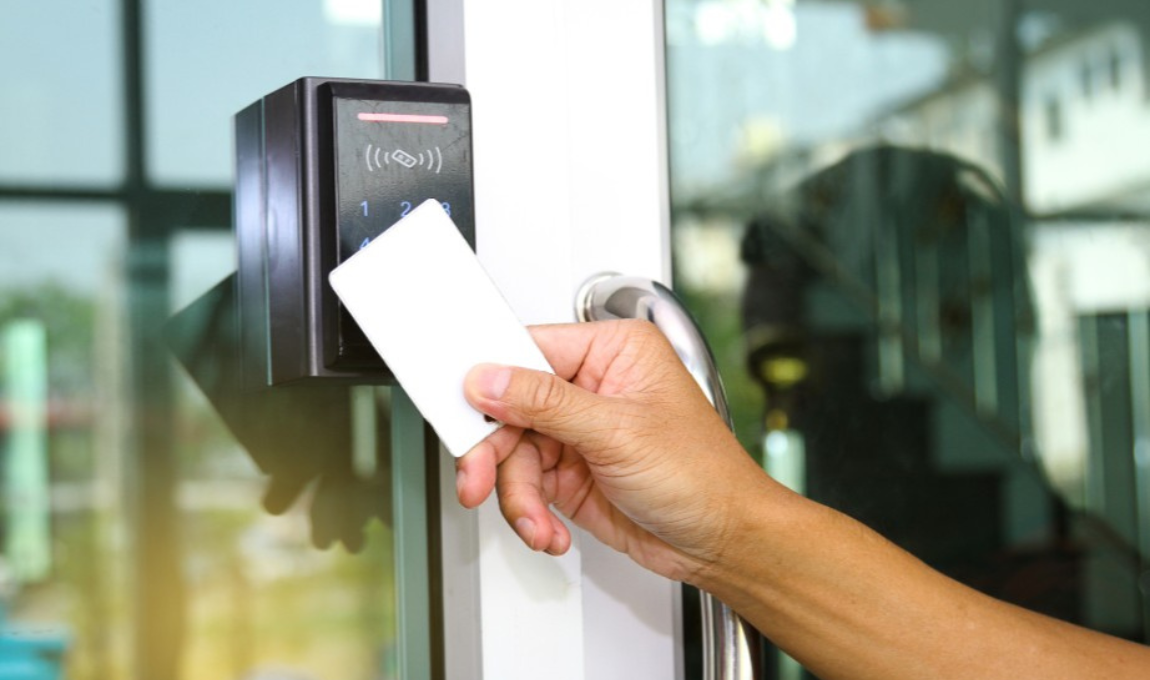
As organisations continue moving toward digital transformation, one of the most significant shifts in recent years has been the transition from traditional physical access cards to digital IDs and mobile credentials. With automation, cost reduction, and enhanced security driving technological change, many sites are now exploring whether digital credentials can replace or should replace, physical access cards entirely.
At JR Security, we work with organisations across multiple sectors and see firsthand the benefits and limitations of both approaches. Here’s a clear breakdown to help you determine the best solution for your site.
Access Cards are still Highly Effective for Visual Identification Physical access cards remain a reliable, practical solution for many workplaces, particularly when paired with a lanyard.
When cards are worn visibly: Security staff can quickly identify staff, contractors, and authorised persons. Colour-coded lanyards can instantly distinguish roles (e.g., staff, contractors, visitors), supporting efficient screening and reducing the risk of unauthorised access. For organisations that rely on regular physical ID checks, visual confirmation at entry points, or easy role differentiation, physical access cards still provide significant operational advantages.
As mobile technology evolves, more organisations are turning to digital IDs and mobile access credentials. These solutions use secure digital storage on a mobile device, protected by:
Digital credentials can be stored in trusted applications like Gallagher Mobile Connect, HID Mobile Access, or even within a custom corporate app. Many platforms also generate a digital ID with a photo and personal details, enabling it to be used for identity verification when needed.
At JR Security, we are strong believers in innovative, technology-driven solutions where they make sense. However, the truth is simple:
Digital IDs offer superior security and reduced long-term costs, but they cannot be displayed around the neck. For sites that rely on visual identification or where quick role recognition is critical, physical cards and lanyards may remain the most effective option. Many organisations benefit from a hybrid approach, using digital credentials for access while still issuing physical IDs for visual identification. The right choice depends entirely on your operational environment, risk profile, and the way your staff and visitors move through your site.
JR Security does not sell digital ID products or access control systems, our strength lies in physical security services. However, we pride ourselves on acting as a trusted advisor for our clients. Whether you’re considering a shift to digital IDs, sticking with access cards, or exploring a hybrid setup, we would be more than happy to assess your site and help identify the solution best suited to your organisation’s needs. Get in touch with JR Security today to discuss the best access solution for your workplace.

Australia’s Security of Critical Infrastructure Act 2018 (SOCI Act) is more than just a piece ...

On the 5th of August 2024, the Australian National Terrorism Threat Level was raised to ...

The Australian & New Zealand Counter Terrorism Committee has released today, the Escape. Hide. Tell ...


 1300 901 450